The Jali Watoto Center is a flagship community engagement initiative dedicated to improving the lives of vulnerable children and strengthening families and communities. Through education, mentorship, health promotion, psychosocial support, and community outreach, the Center contributes to the holistic development of children while fostering sustainable social transformation.
JALI WATOTO CENTER: EMPOWERING CHILDREN AND THEIR FAMILIES
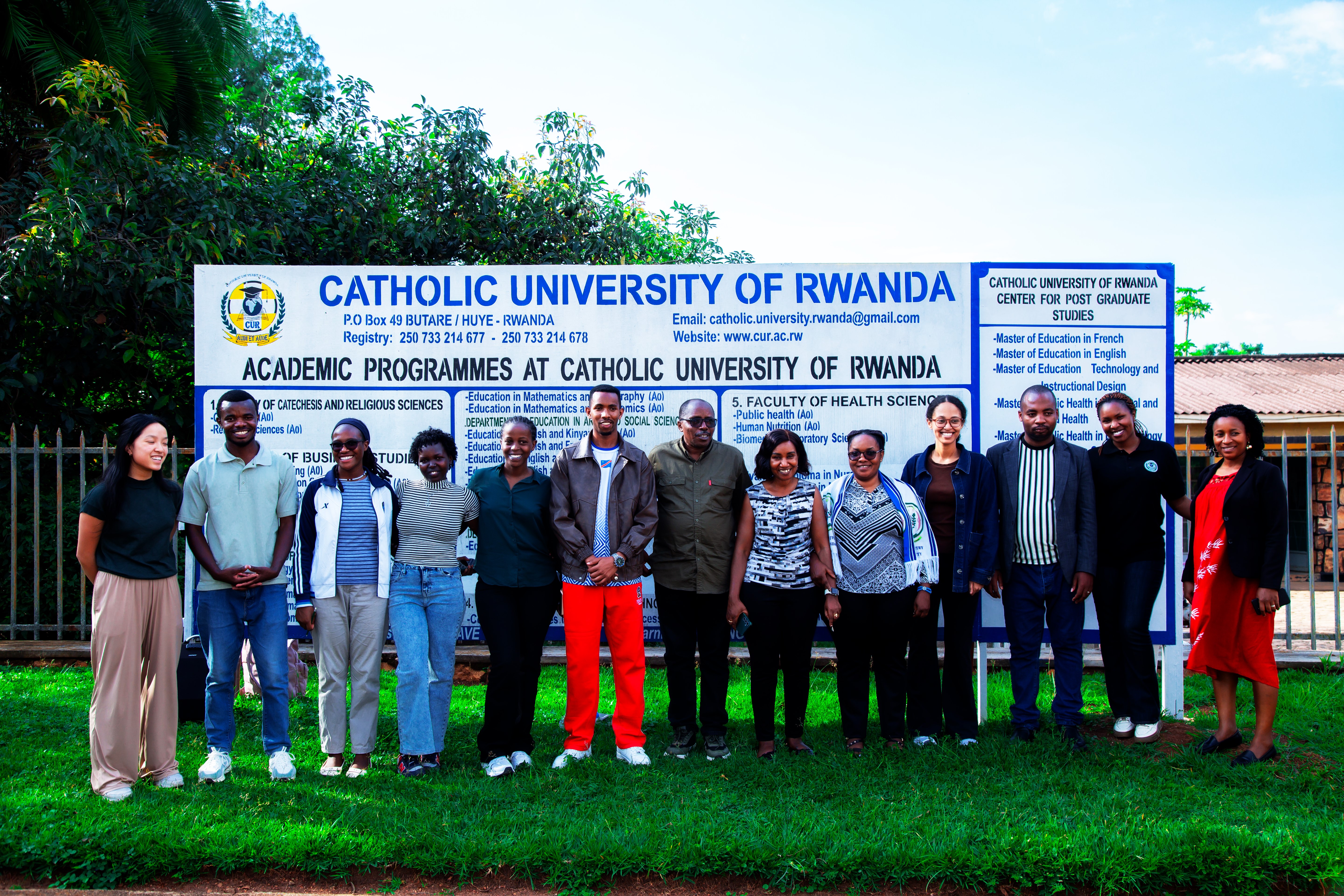
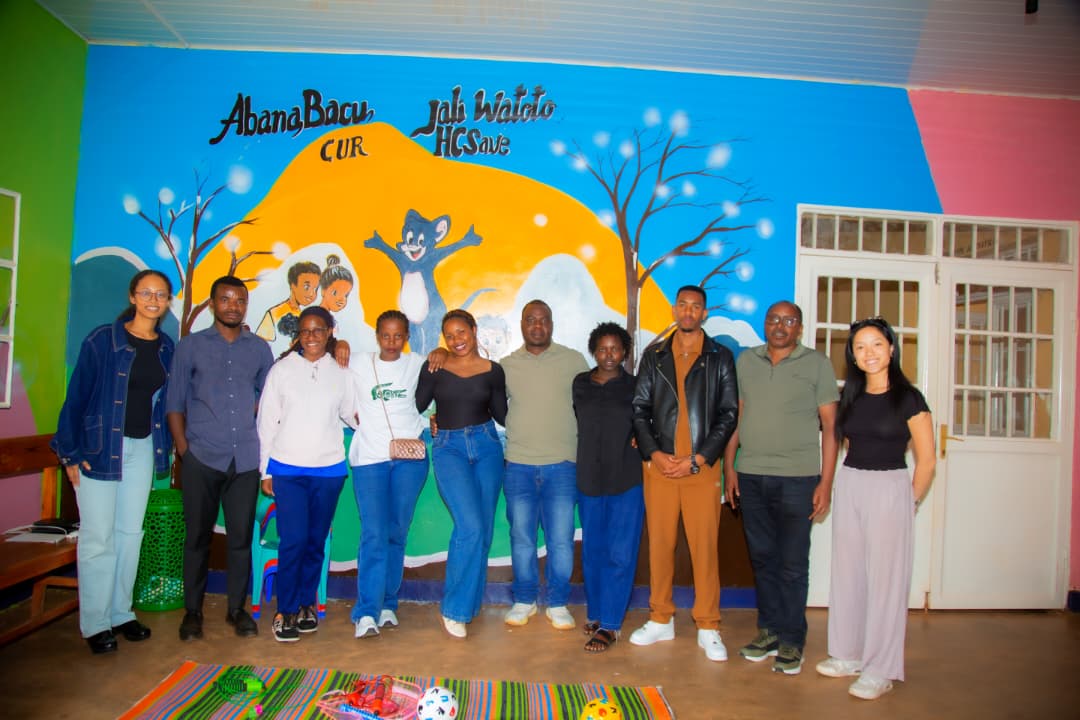
For CUR students, the Jali Watoto Center serves as an important component of the Youth Impact Hub Program, which promotes leadership, innovation, entrepreneurship, and civic engagement. The Youth Impact Hub helps students think through the change-making process through its project-based curriculum for the entire cohort and through one-on-one mentoring sessions with each Youth Impact Hub Scholar.
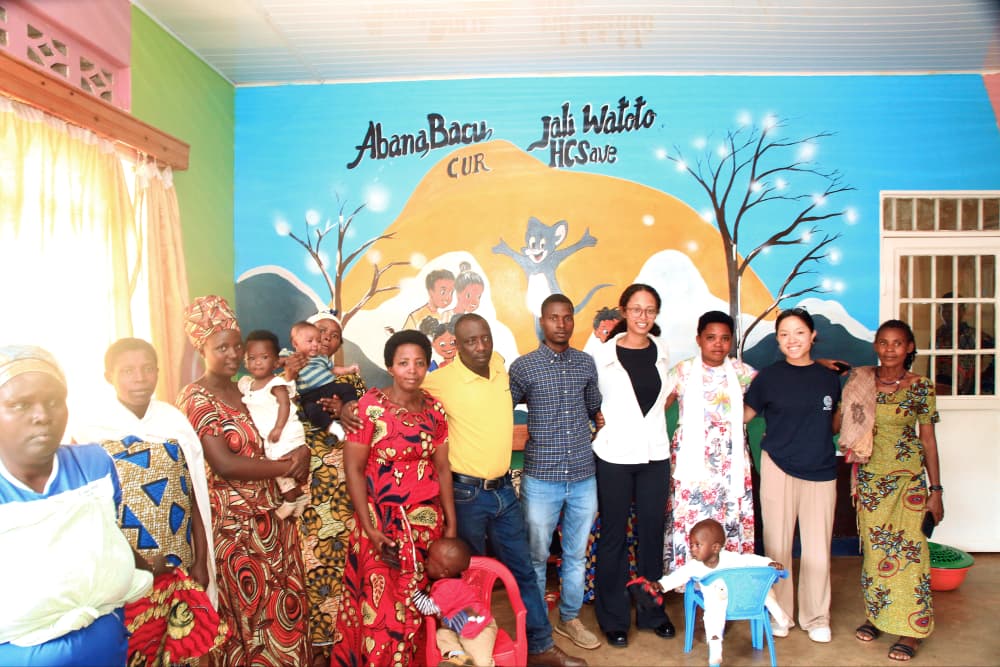
The Center provides students from various disciplines with opportunities to apply classroom knowledge in real-life community settings. Through direct engagement with children, families, schools, and local organizations, students acquire practical skills, professional experience, and a deeper understanding of community needs. They also strengthen their capacities in problem-solving, teamwork, communication, project management, and ethical leadership.
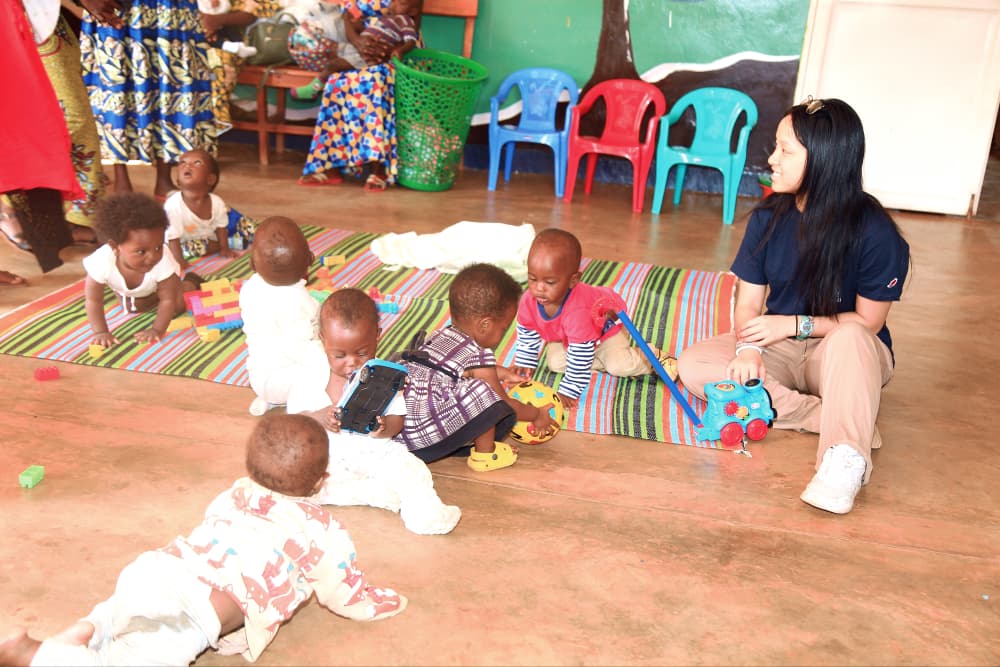
For the community, the Jali Watoto Center enhances child protection, educational attainment, health awareness, and family well-being. The Center supports children in reaching their full potential while empowering parents and caregivers with knowledge and resources to create nurturing environments. Through collaborative partnerships and community-based interventions, it helps address social challenges and promotes long-term resilience.
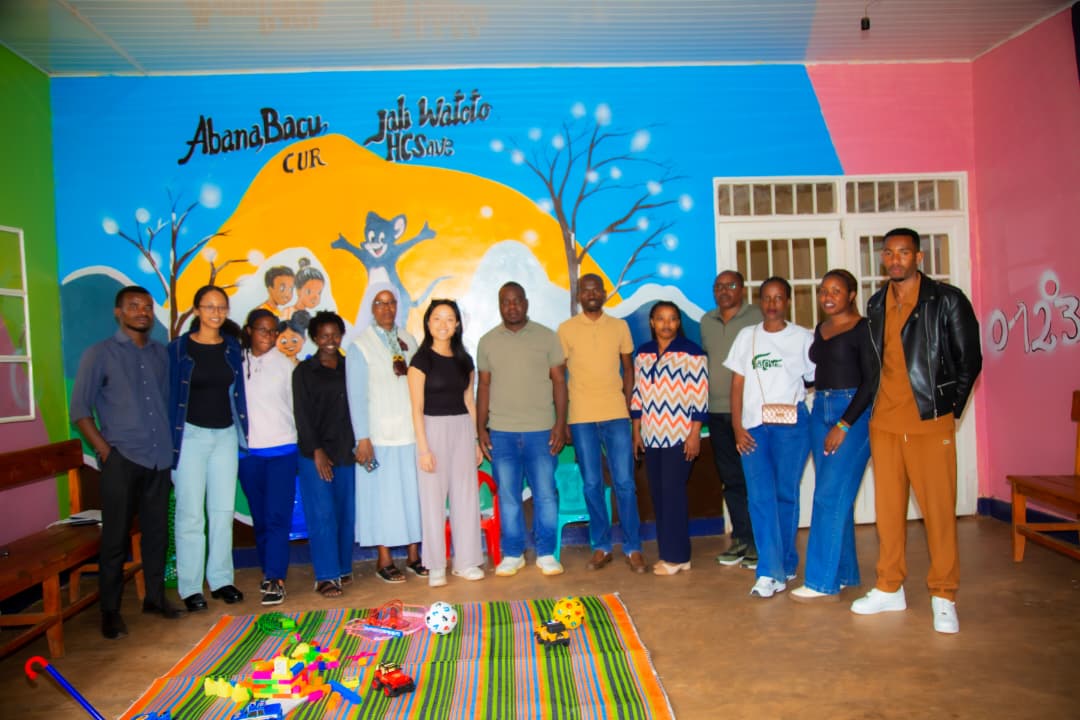
The Jali Watoto Center reflects CUR’s commitment to academic excellence, social responsibility, and integral human development. By connecting education, research, innovation, and service, the Center creates meaningful learning opportunities for students while generating a lasting positive impact on children, families, and communities across Rwanda. It stands as a model of university-driven social transformation and sustainable development.
Leave a Reply
We'd love to hear your thoughts on this article. Please share your comments below.
Comments (0)
No comments yet. Be the first to share your thoughts!